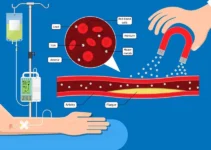
A wound that refuses to heal is rarely just a surface problem. Chronic ulcers, surgical wounds, and tissue injuries often struggle because oxygen never quite reaches the cells that need it most.
That detail matters more than many people realize.
Oxygen plays a direct role in how skin repairs itself, how blood vessels grow, and how infection is kept under control.
This is where hyperbaric oxygen therapy has earned its place in modern medicine.
It is not a trend or a wellness shortcut, but a medically grounded approach used for decades in hospitals and specialized clinics.
In this article, we will walk through how hyperbaric oxygen supports wound healing and tissue repair, when it is used, and what actually happens inside the body during treatment.
Why oxygen levels matter more than people think in wound healing
Source: christianacare.org
Wound healing is an energy-intensive process. Cells need oxygen to divide, migrate, and build new tissue.
When oxygen levels drop, healing slows or stalls completely. This is especially common in people with poor circulation, diabetes, vascular disease, or complex surgical wounds.
In normal conditions, oxygen is delivered through red blood cells. But damaged blood vessels limit how much oxygen can reach injured tissue.
Hyperbaric oxygen therapy changes that equation by dissolving oxygen directly into plasma. This allows oxygen to reach areas where blood flow is compromised.
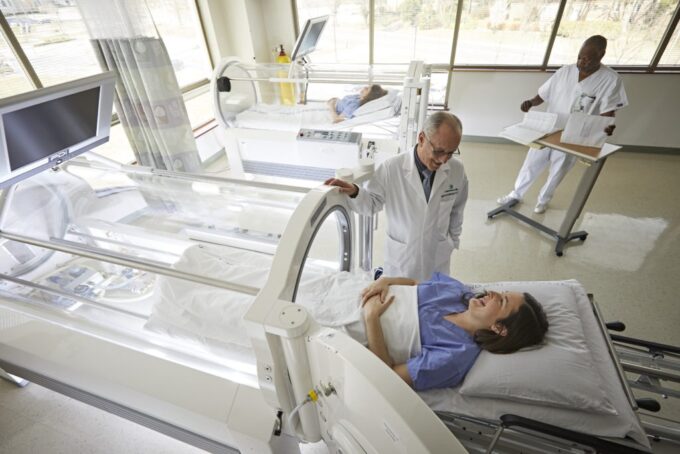
Early in treatment planning, many patients come across the idea of a hyperbaric chamber.
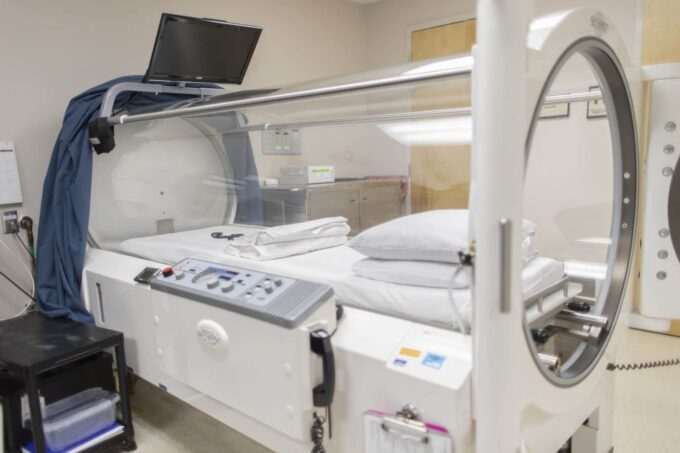
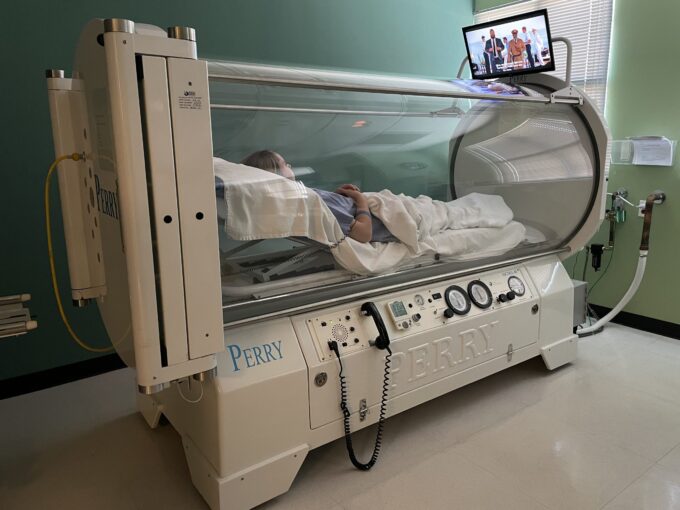
The modern Los Angeles hyperbaric chamber is carefully engineered for comfort and safety.
Patients lie down or recline while pressure increases gradually, similar to the sensation of descending underwater or during airplane takeoff.
Inside, oxygen concentration and pressure are tightly controlled by trained technicians following medical protocols.
The concept that oxygen can bypass damaged blood flow feels counterintuitive at first, yet it is precisely why this therapy proves effective for wounds that resist standard care and refuse to heal on their own.
How hyperbaric oxygen therapy actually works in the body
Hyperbaric oxygen therapy involves breathing pure oxygen inside a pressurized chamber. The pressure is typically two to three times higher than normal atmospheric pressure.
Under these conditions, oxygen dissolves into blood plasma, lymph, and tissue fluids.
This process leads to several physiological effects that directly support tissue repair:
- Increased oxygen delivery to hypoxic or damaged tissue
- Enhanced fibroblast activity, which supports collagen formation
- Stimulation of angiogenesis, the growth of new blood vessels
- Improved immune response against bacteria
Unlike topical oxygen treatments, this approach affects the entire body. Oxygen reaches deep tissues, bone, and compromised areas that topical methods cannot access.
The result is not instant healing, but a biological environment where healing becomes possible again.
Medical conditions where hyperbaric oxygen is commonly used
Hyperbaric oxygen therapy is not used for every cut or scrape. Its strength lies in treating wounds that fail to heal through standard methods. Medical guidelines outline specific indications where benefits are well documented.
Common medical uses include:
- Diabetic foot ulcers that do not respond to standard wound care
- Radiation-induced tissue injury
- Chronic refractory osteomyelitis
- Compromised skin grafts and flaps
- Crush injuries and traumatic ischemia
These conditions share one thing in common: poor oxygen delivery. By correcting that deficit, hyperbaric oxygen supports the body’s own repair mechanisms rather than replacing them.
Important medical note: Hyperbaric oxygen therapy is recognized by organizations such as the Undersea and Hyperbaric Medical Society for specific wound-related indications, particularly diabetic ulcers and radiation injuries.
Hyperbaric oxygen and diabetic wound healing explained simply
Source: healogics.com
Diabetic wounds are one of the most studied areas of hyperbaric oxygen use. High blood sugar damages small blood vessels, reduces immune response, and limits oxygen delivery.
That combination turns minor wounds into chronic ulcers.
Hyperbaric oxygen helps in several ways at once. It increases oxygen availability, improves white blood cell function, and promotes new vessel growth around the wound.
Over time, this can reduce infection risk and support closure of ulcers that would otherwise persist.
Did you know?
Studies have shown that diabetic foot ulcers treated with adjunctive hyperbaric oxygen therapy may have lower rates of major amputation compared to standard care alone, especially in advanced cases.
This does not replace proper glucose control, wound debridement, or offloading. It works alongside them, supporting the biological side of healing while other treatments handle mechanical and metabolic factors.
The role of hyperbaric oxygen in surgical recovery and tissue repair
Surgery places controlled trauma on the body. Most surgical wounds heal well, but complications can arise when blood supply is compromised or infection develops.
Hyperbaric oxygen has a specific role in complex surgical recovery.
It is often used for:
- Non-healing post-surgical wounds
- Compromised skin flaps after reconstructive surgery
- Radiation-damaged tissue following cancer treatment
Radiation injury is particularly challenging because it permanently alters blood vessels.
Hyperbaric oxygen helps stimulate new vessel growth in irradiated tissue, improving long-term tissue quality rather than just short-term closure.
This makes the therapy valuable not only for closing wounds, but for restoring tissue resilience and reducing future breakdown.
What a typical treatment plan looks like in real life
Hyperbaric oxygen therapy is not a one-time fix. Treatment plans are structured and cumulative. A typical session lasts about 60 to 90 minutes, during which the patient rests comfortably inside the chamber.
Here is a simplified overview:
| Aspect | Typical Range |
| Session length | 60 to 90 minutes |
| Frequency | 5 days per week |
| Total sessions | 20 to 40, sometimes more |
| Pressure level | 2.0 to 2.5 ATA |
Progress is monitored throughout the process. Wound size, tissue quality, and infection markers are regularly assessed. Improvements often appear gradually, which is why consistency matters more than intensity.
Safety profile and what patients usually feel during sessions
Source: baromedicalhbo.com
Hyperbaric oxygen therapy is generally well tolerated, but it is still a medical treatment. The most common sensations are pressure changes in the ears, similar to flying.
These are managed with simple techniques taught before sessions begin.
Potential side effects include:
- Temporary ear or sinus discomfort
- Mild fatigue after sessions
- Rare oxygen toxicity with improper protocols
Clinics follow strict safety guidelines to minimize risks. Patients are screened carefully, especially those with lung conditions or untreated pneumothorax.
Most people describe sessions as calm and uneventful. Many read, listen to music, or simply rest while the therapy does its work at a cellular level.
Final thoughts
Wound healing is not mysterious, but it is complex. Oxygen sits at the center of that complexity, influencing immune defense, tissue growth, and long-term repair.
Hyperbaric oxygen therapy works because it addresses oxygen deprivation directly, rather than working around it.
For patients with chronic wounds, radiation injury, or compromised surgical recovery, this therapy can be the missing piece that allows healing to restart.
It is not fast, and it is not effortless, but it is grounded in physiology and clinical evidence.
When used appropriately and under medical supervision, hyperbaric oxygen remains one of the most powerful tools available for supporting wound healing and tissue repair in modern medicine.