
Most technology becomes obsolete eventually.
A laptop that feels cutting-edge today may struggle with modern software five years from now. Smartphones receive a few years of updates before manufacturers move on. Even premium tablets eventually reach the point where newer models offer significantly improved performance, battery life, or features.
Yet while devices constantly evolve, many of the accessories that support them don’t have to.
In fact, some of the smartest technology purchases you can make aren’t devices at all. They’re the accessories that continue delivering value across multiple upgrade cycles.
As consumers become increasingly aware of both the financial and environmental costs of constant replacement, a new approach is emerging: buying fewer accessories, but buying better ones.
The goal isn’t simply saving money. It’s creating a technology ecosystem designed to last.
The Hidden Cost of Cheap Accessories
Source: gadgetmedics.com
When shopping for technology, many consumers focus heavily on the price of the main device while treating accessories as afterthoughts.
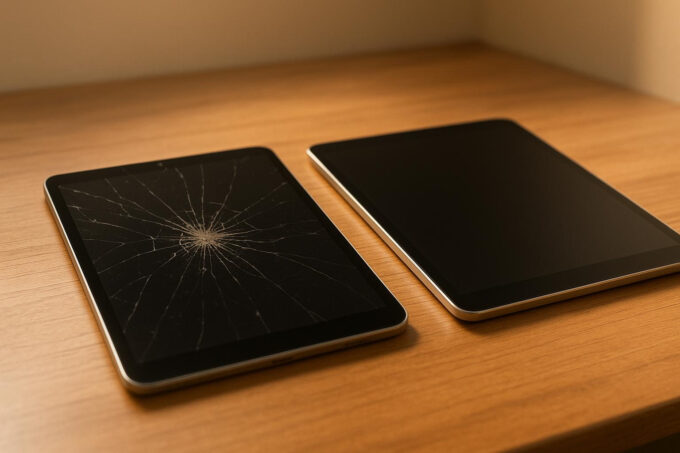
A £1,000 tablet might be paired with a £15 case. A premium laptop may be protected by the cheapest sleeve available online. A high-end smartphone often ends up connected to unreliable charging cables that fail within months.
At first glance, these decisions seem economical.
However, inexpensive accessories frequently need replacing far more often than premium alternatives. Poor durability, inferior materials, weak construction, and limited functionality can turn a seemingly inexpensive purchase into a recurring expense. The result is a cycle of replacement that ultimately costs more over time.
Thinking Beyond the Current Device
One of the most effective ways to evaluate any accessory purchase is to ask a simple question: Will this still be useful when I upgrade my device? The answer varies depending on the accessory category.
Portable SSDs, quality headphones, chargers, power banks, external keyboards, and monitor stands can often remain useful for many years. Even certain protective accessories may survive multiple device generations when manufacturers maintain compatibility across successive models. Thinking beyond the current device helps shift the purchasing decision from short-term cost to long-term value.
Why Durability Matters More than Ever
Modern technology is expensive.
Premium smartphones regularly exceed £1,000. High-performance tablets and laptops often cost significantly more. Repair costs can be substantial, particularly when screens, batteries, or internal components are damaged.
As a result, protecting devices has become increasingly important. A well-designed accessory can extend the lifespan of a device by reducing exposure to drops, scratches, impacts, dust, and general wear. This protection provides value that extends far beyond the accessory’s purchase price. The fewer repairs, replacements, and emergency purchases required over time, the lower the true cost of ownership becomes.
The Sustainability Argument
Source: hummingbirdinternational.net
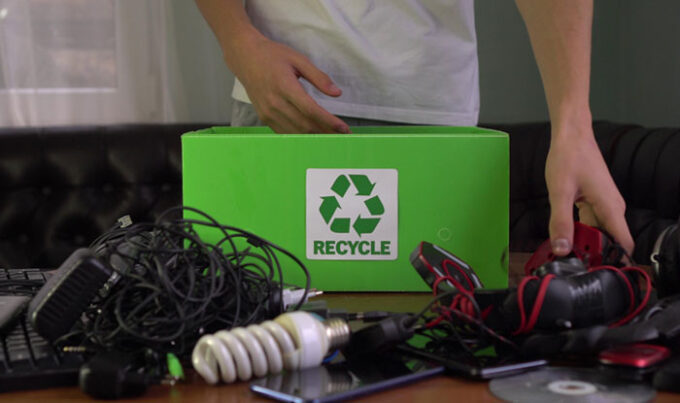
Technology waste is becoming a growing concern worldwide.
Millions of electronic devices and accessories are discarded every year, often long before their useful lifespan has ended. While discussions about sustainability frequently focus on recycling, another approach receives less attention: buying products that simply last longer.
Choosing durable accessories reduces waste in several ways:
- Fewer replacements are required
- Less packaging enters the waste stream
- Fewer manufacturing resources are consumed
- Devices remain protected and usable for longer.
This doesn’t require sacrificing quality or convenience. In many cases, durable products perform better while generating less waste over their lifespan. The most sustainable purchase is often the one you don’t need to replace.
The Rise of Premium Accessories
Over the past decade, consumers have become increasingly willing to invest in higher-quality accessories. Rather than purchasing multiple low-cost alternatives, many users now prioritize products built with better materials, improved engineering, and greater versatility.
Several factors have driven this shift:
Better Device Protection
As technology becomes more expensive, protecting it becomes more valuable.
Longer Upgrade Cycles
Many consumers now keep devices for four, five, or even six years rather than upgrading annually.
Greater Daily Dependence
Technology plays a larger role in both personal and professional life than ever before.
Increased Awareness of Quality
Users increasingly recognize the difference between products designed for longevity and those designed primarily around low upfront cost.
Versatility Is a Form of Longevity
Source: stockcake.com
When evaluating accessories, durability isn’t the only factor that matters. Versatility can be equally important.
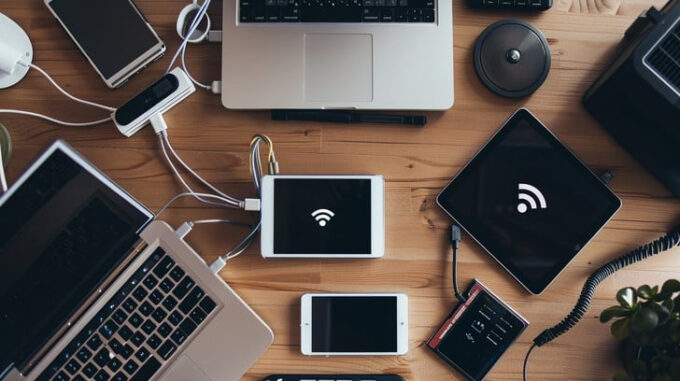
Products that support multiple use cases often remain valuable longer because they continue adapting to changing needs.
For example:
- Adjustable stands can support work, entertainment, presentations, and creative tasks.
- Multi-port chargers remain useful across numerous devices.
- External keyboards can work with tablets, phones, and computers.
- High-quality backpacks adapt to different careers, hobbies, and travel requirements.
The more situations an accessory supports, the less likely it is to become obsolete.
The Case for Investing in Protection
Source: amazon.com
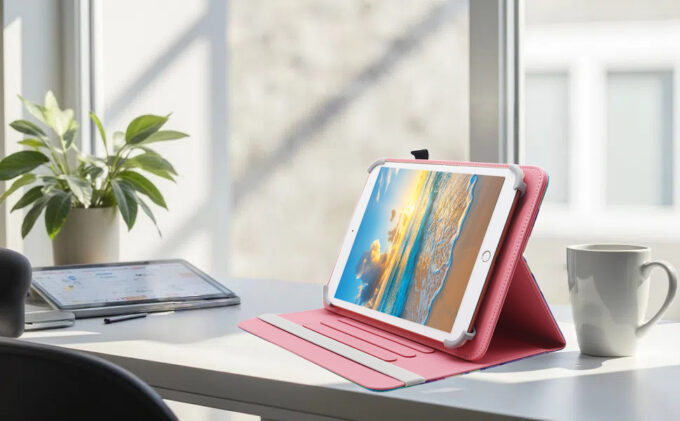
Protective cases provide an interesting example of long-term value.
At first glance, spending significantly more on a premium case can seem difficult to justify when cheaper alternatives are widely available.
However, the true purpose of a protective case extends beyond preventing scratches.
A well-designed case can:
- Reduce the likelihood of costly repairs
- Improve usability through better ergonomics
- Extend device lifespan
- Enhance resale value
- Improve portability and convenience.
For tablet users, this becomes particularly important because the device often serves multiple functions throughout the day.
A student may use the same tablet for note-taking, studying, video calls, entertainment, and creative projects. A professional may switch between meetings, presentations, document review, travel, and productivity tasks.
Accessories that support all of these activities remain valuable far longer than those designed around a single function.
For example, a ZUGU iPad case that combines strong protection with multiple viewing angles, secure positioning, and long-term durability may continue providing value throughout several years of daily use while helping protect a much more expensive device from damage.
Looking Beyond Initial Price
Consumers naturally compare products based on purchase price. Yet price alone rarely tells the full story.
Consider two accessories:
- Product A costs £20 and lasts one year
- Product B costs £60 and lasts five years.
Although Product B appears more expensive initially, its annual cost is significantly lower.
This principle applies across many technology categories. When durability, performance, convenience, and replacement frequency are considered together, premium products often deliver stronger long-term value than their budget alternatives.
The challenge is identifying which products genuinely deserve the premium.
Questions to Ask Before Buying
When evaluating any technology accessory, consider asking:
How long is it likely to last?
Look for build quality, materials, warranties, and long-term user reviews.
Does it solve multiple problems?
Products that serve multiple purposes often provide better value.
Will it remain useful after my next upgrade?
Compatibility and adaptability matter.
Does it protect a more expensive device?
Protection can dramatically increase an accessory’s value proposition.
Will I use it every day?
Frequently used products justify a higher investment than occasional-use accessories.
Building a More Sustainable Tech Ecosystem
Technology will continue evolving.
New devices will launch. Faster processors will arrive. New features will emerge. Upgrade cycles will continue. But not every purchase needs to be temporary.
By focusing on durability, versatility, protection, and long-term value, consumers can build technology ecosystems that evolve more slowly, generate less waste, and ultimately cost less over time. Future-proofing isn’t about predicting the next breakthrough device. It’s about making smarter purchasing decisions today.
And often, the products that provide the greatest long-term value aren’t the devices themselves—they’re the accessories that continue supporting them year after year.