
Life and health insurance can protect you from major financial stress when unexpected illness, injury, or loss happens.
Being young and healthy does not mean you are free from risk. Accidents and medical emergencies can happen at any age.
Medical bills can become overwhelming quickly, especially without proper health insurance coverage.
Life insurance can help protect your family, dependents, or loved ones from financial hardship if something happens to you.
Understanding premiums, deductibles, riders, exclusions, and policy limits is essential before choosing a plan.
A policy lapse can leave you without protection when you need it most, and reinstating coverage later may cost more.
Major life changes, such as marriage, having children, changing jobs, or buying a home, are good times to review your life and health insurance policies.
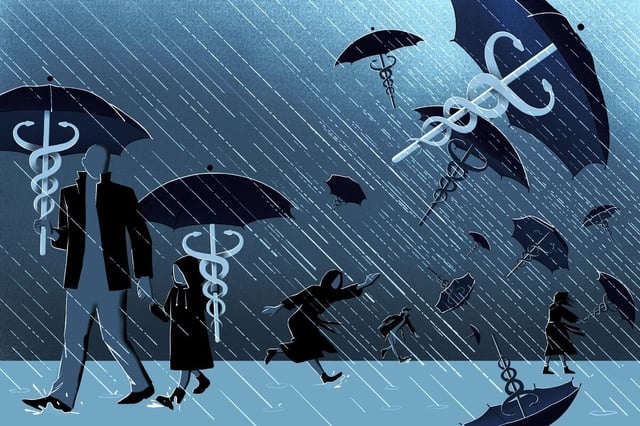
Why Skipping Health Insurance Could Cost You Everything
Source: reddit.com
Health insurance is easy to overlook when life feels stable. If you are healthy, active, and rarely visit the doctor, it may seem like something you can delay.
But medical issues do not always give warnings. One accident, infection, emergency surgery, or sudden diagnosis can change your finances almost overnight.
This is why life and health insurance matter. Health insurance helps cover medical care, while life insurance helps protect the people who may depend on you financially. Together, they create a stronger safety net for uncertain moments.
Skipping health insurance may save money in the short term, but it can lead to much larger costs later. A single emergency room visit, hospital stay, or procedure can become a financial burden without coverage.
The Myth of “I’m Young and Healthy”
Many people assume they do not need health insurance because they are young. That mindset is common, but it can be risky.
Youth does not prevent accidents. It does not stop sudden illnesses. It does not guarantee that medical care will always be affordable.
A person in their twenties or thirties may still need urgent treatment, surgery, medication, therapy, or specialist care. Without insurance, those costs can become difficult to manage.
Life and health insurance should not be viewed only as something for older adults. It is part of basic financial protection at every stage of life.
Real-Life Stories of Overwhelming Medical Bills

Source: johnturcolaw.com
Medical bills can grow quickly. A short hospital stay, emergency surgery, imaging test, or specialist visit can cost far more than expected.
For someone without health insurance, even a routine medical issue can become stressful. An injury that needs imaging, follow-up visits, and medication may create bills that take months or years to pay off.
This is one of the biggest reasons people choose life and health insurance. It helps reduce the financial shock of unexpected events.
Insurance does not remove every cost, but it can make care more manageable and protect you from paying everything out of pocket.
Unexpected Life Events: Are You Prepared?
No one likes to think about worst-case scenarios. But planning ahead is not about fear. It is about being responsible.
Unexpected life events can include illness, accidents, disability, job loss, family changes, or the death of a loved one. These events can affect both health and finances.
Life and health insurance can help provide stability during difficult times. Health insurance can help you access care when you need it. Life insurance can help loved ones cover expenses, debts, mortgage payments, childcare, or daily living costs if you are no longer there to provide support.
Preparation may not prevent hard moments, but it can make them easier to manage.
The Hidden Costs of Life Insurance: What No One Tells You
Life insurance can be valuable, but it is important to understand the details before choosing a policy.
Some people focus only on the monthly premium. While the premium matters, it is not the only factor. You also need to understand the coverage amount, policy length, exclusions, riders, and long-term cost.
Life and health insurance decisions should be based on your full financial picture, not just the cheapest option available.
A low-cost policy may not provide enough protection. A more expensive policy may include features you do not actually need. The best choice is usually the one that fits your goals, responsibilities, and budget.
Understanding Premiums: More Than Just a Monthly Payment

Source: kickstandinsurance.com
Premiums are the payments you make to keep your insurance active. But the premium is only one part of the cost.
For health insurance, you may also have deductibles, copayments, coinsurance, out-of-pocket maximums, and prescription costs.
For life insurance, your premium may depend on your age, health, lifestyle, coverage amount, and policy type.
Understanding these costs helps you avoid surprises. Before choosing life and health insurance, review what you will pay each month and what you may still owe when you actually use the coverage.
The cheapest plan is not always the best plan. It may have higher out-of-pocket costs or limited benefits.
How Riders Impact Your Coverage and Costs
Riders are optional add-ons that can customize your insurance policy. They may provide extra benefits for specific situations.
Common life insurance riders may include critical illness, disability waiver of premium, accidental death, or long-term care benefits. These riders can add helpful protection, but they may also increase your premium.
Health insurance may also include optional benefits or supplemental coverage depending on the plan.
When reviewing life and health insurance, think carefully about which extras are truly useful. A rider should match your real needs, not just sound good on paper.
The Realities of Policy Lapses: What Happens When You Don’t Pay?
A policy lapse happens when you miss payments and your coverage ends. This can be risky because you may lose protection right when you need it most.
If your health insurance lapses, you may have to pay medical costs yourself until you get new coverage.
If your life insurance lapses, your beneficiaries may not receive the death benefit if something happens after the policy ends.
Reinstating a policy may also be difficult. You may need to answer health questions again, pay missed premiums, or accept higher costs.
Keeping life and health insurance active is important. If money gets tight, contact the insurer before missing payments. There may be options to adjust coverage or prevent cancellation.
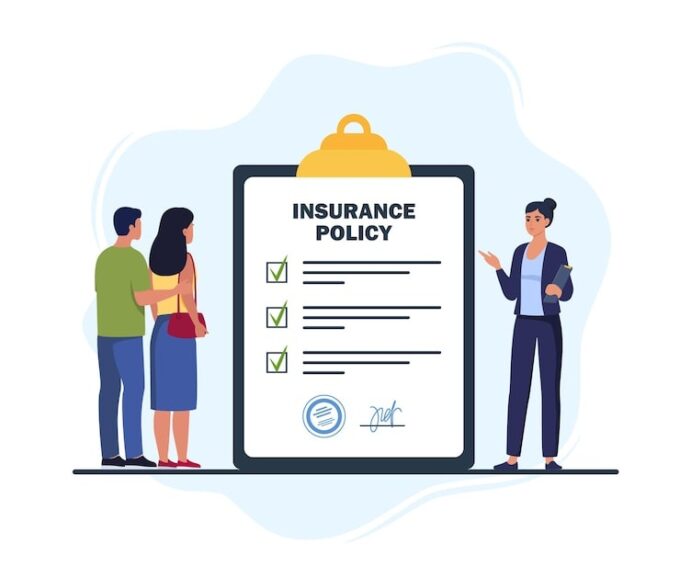
Choosing the Right Plan: Lessons in Trial and Error
Source: magnific.com
Choosing insurance can feel overwhelming. There are many plan types, terms, prices, and coverage levels.
The right life and health insurance plan depends on your needs. A single young adult may need different coverage than a parent, business owner, homeowner, or someone supporting aging relatives.
Before choosing a plan, think about your income, debts, savings, dependents, health needs, and long-term goals.
A good plan should protect you without creating unnecessary financial strain.
Decoding Policy Jargon: What You Need to Know
Insurance terms can feel confusing, but understanding them is important.
A deductible is the amount you pay before insurance starts covering certain costs. A copayment is a fixed amount you pay for a service. Coinsurance is a percentage of the cost you may owe after meeting your deductible.
An exclusion is something the policy does not cover. A beneficiary is the person or people who receive the life insurance benefit if you pass away.
When reviewing life and health insurance, do not skip these details. Ask questions until the policy makes sense.
Comparing Quotes: Beyond Just the Bottom Line
Comparing quotes is smart, but price should not be the only factor.
A cheaper policy may have weaker coverage, fewer benefits, higher deductibles, or more exclusions. A more expensive policy may offer better protection, but it still needs to match your actual needs.
When comparing life and health insurance quotes, look at coverage limits, provider networks, out-of-pocket costs, policy terms, and customer support.
The best value is not always the lowest monthly premium. It is the policy that gives you dependable protection at a cost you can manage.
Using an Independent Agent vs. Direct Purchase: Is There a Difference?

Source: morseins.com
Some people buy insurance directly from a company. Others work with an independent agent.
Buying directly may be simple if you already know what you want. However, an independent agent may help compare multiple options and explain differences between policies.
For life and health insurance, guidance can be useful if you are unsure about coverage amounts, policy types, or plan details.
The right choice depends on your comfort level. If you understand insurance well, direct purchase may work. If you want help comparing options, an agent may be worth considering.
When It’s Time to Review Your Coverage: Don’t Make This Mistake
Insurance is not something you should buy once and forget. Your needs can change over time.
A plan that worked five years ago may not fit your life today. Maybe your income changed. Maybe you got married, had a child, bought a house, started a business, or took on new financial responsibilities.
Life and health insurance should grow with your life. Reviewing your policies regularly helps make sure your coverage still matches your needs.
Life Changes That Demand Policy Reevaluation
Major life events are clear signs that it may be time to review your insurance.
These may include getting married, having a baby, adopting a child, buying a home, starting a business, changing jobs, becoming self-employed, taking on debt, or caring for family members.
These changes can affect how much coverage you need and what type of policy makes sense.
If people depend on your income, life insurance becomes even more important. If your health needs change, your health insurance should be reviewed too.
Ignoring the Fine Print: What Could Go Wrong?

Source: waeltylaw.com
The fine print matters. It may explain exclusions, waiting periods, limits, renewal rules, and claim requirements.
If you do not read these details, you may assume something is covered when it is not.
For life and health insurance, this can create serious problems. A claim may be denied, a benefit may be limited, or a medical service may cost more than expected.
Before signing up for any policy, read the details carefully. If something is unclear, ask for clarification.
The Impact of Inflation on Your Benefits Over Time
Inflation can reduce the value of your coverage over time. A life insurance benefit that seems large today may not stretch as far years from now.
Healthcare costs can also rise, which may affect how much protection you need.
This is why regular reviews are important. Your life and health insurance coverage should reflect current costs, future goals, and changing responsibilities.
If your income, family size, debts, or healthcare needs increase, your coverage may need to increase too.
FAQ
What should I consider before getting health insurance if I’m young?
Consider your lifestyle, risk level, budget, family health history, and ability to pay medical bills out of pocket. Being young does not mean you are protected from unexpected illness or injury.
How often should I review my health insurance policy?
Review your policy at least once a year. You should also review it after major life changes, such as changing jobs, getting married, having children, or developing new health needs.
Is having a high deductible always a bad thing?
Not always. A high-deductible plan may work if you are healthy and have savings to cover unexpected costs. However, it can be risky if you cannot afford the deductible during a medical emergency.
What are the most common misconceptions about life insurance?
Many people think life insurance is only for older adults or parents. In reality, it can be useful for anyone with debts, dependents, business obligations, or loved ones who may face financial hardship.
How do I know if I have adequate coverage?
Look at your income, debts, dependents, living expenses, future goals, and medical needs. Your coverage should be enough to protect you and the people who rely on you.
What does an exclusion in a policy mean?
An exclusion is something your policy does not cover. Always review exclusions carefully so you understand when benefits may not apply.
What happens if I underestimate my coverage needs?
You may end up underinsured. This can leave you or your loved ones with expenses that your policy does not fully cover.
Should I use an agent or go direct for life insurance purchases?
Either option can work. An agent may help explain your choices and compare policies, while direct purchase may be convenient if you already know what you need.
Final Thoughts
Life and health insurance are not just paperwork or monthly bills. They are tools for protecting your health, your finances, and the people who depend on you.
Health insurance can help you manage medical costs when illness or injury happens. Life insurance can help provide financial support to loved ones if the unexpected occurs.
The key is to choose coverage carefully, understand the details, and review your policies as your life changes.
A little planning now can prevent much bigger stress later.