
If you suspect celiac disease, the choice is not simply between two ways to get the same answer. An antibody test looks for signs of an immune response happening now; a genetic test looks for gene variants that make celiac disease possible. For most people still eating gluten, antibody testing is the usual starting point. Genetics is more useful for ruling the disease out in specific situations.
Antibody testing looks for an active response
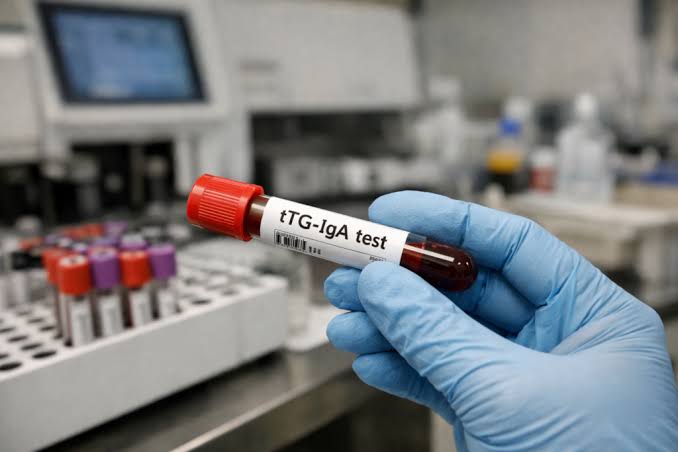
Source: tlc-medlab.com
The common first-line blood test is tissue transglutaminase IgA (tTG-IgA), often ordered with a total IgA level. If someone has IgA deficiency, a clinician may use IgG-based tests instead. The antibodies can fall after gluten is removed, so testing while gluten-free may produce a misleading negative result. Don’t start a gluten-free diet-or restart gluten after stopping-without discussing the plan with a healthcare professional.
A positive antibody result supports celiac disease but is not always the final diagnosis. The American College of Gastroenterology’s 2023 guideline recommends intestinal biopsy for confirmation in most adults. The clinician interprets the result alongside symptoms, history, and, when indicated, further testing.
Genetic testing answers a different question

Most people with celiac disease carry HLA-DQ2 or HLA-DQ8 variants. But a positive result does not show that gluten is currently causing disease: these variants are common, and most carriers never develop celiac disease. A negative result for the relevant variants makes celiac very unlikely, which is why genetics can be valuable when blood tests or biopsy findings are inconclusive.
Genetic testing also has a practical advantage: unlike antibody testing, it is not made unreliable by avoiding gluten. If you already eat gluten-free, a celiac genetic test may be a useful question to discuss with your clinician before considering a gluten challenge. A positive result still needs clinical follow-up; it is not a reason by itself to begin lifelong treatment.
Which test fits your situation?

Still eating gluten and seeking a diagnosis? Ask your clinician about tTG-IgA and total IgA first. Already gluten-free, or faced with conflicting results? Genetic testing may help assess whether celiac can be ruled out, then guide whether other evaluation is worthwhile. Positive antibodies or strong ongoing suspicion? Ask what confirmation is appropriate; a negative antibody result does not automatically end the investigation when clinical suspicion is high.
The NIDDK’s celiac testing guidance makes the contrast especially clear: serology is typically the first step, while HLA testing is useful in selected cases. In short, antibodies help investigate active disease; genes help assess inherited possibility and, especially, rule it out. Neither result should be interpreted alone or used to self-diagnose.