
Egypt is one of those countries where a working phone changes the whole trip. Your driver wants to message you the pickup point, your map app needs to find a side street in Islamic Cairo, and you probably want to tell someone back home that you made it past the airport queue. The good news is that staying connected is not hard. The bad news is that there are a few traps, and most of them are easy to avoid if you know about them before you land.
Your three realistic options
Most travelers end up choosing between three routes:
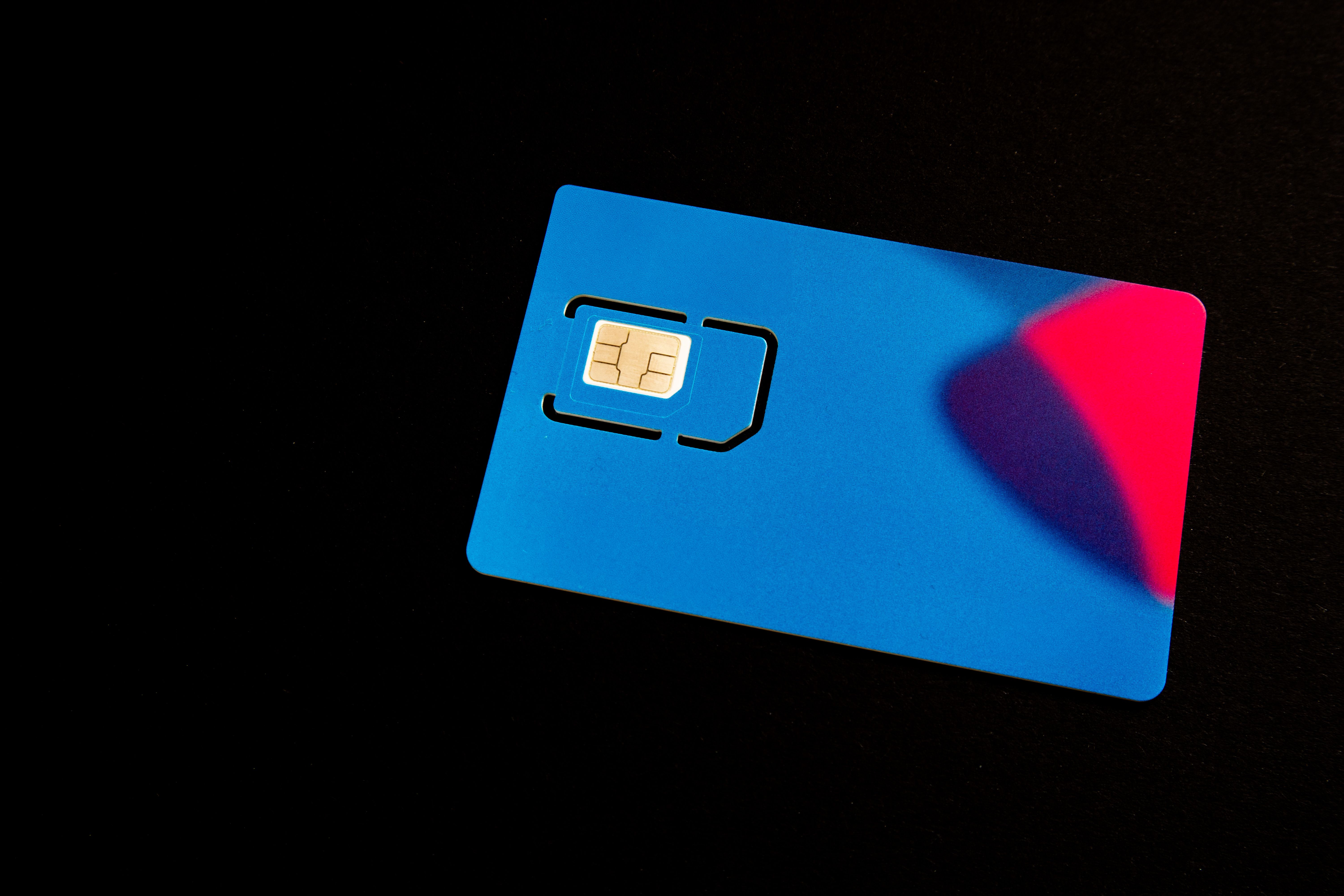
- A local prepaid SIM. This is usually the cheapest option by a wide margin. Vodafone, Orange, WE and e& all sell tourist packages, and a decent amount of data typically costs a few hundred Egyptian pounds. You get a local number, which is genuinely useful for ride-hailing apps, restaurant bookings and calling hotels.
- A travel eSIM. You buy a data plan online, scan a QR code on your phone, and it activates when you land. There is nothing to swap and no kiosk to hunt for. The price is higher per gigabyte, and most travel eSIMs are data-only, so you won’t get an Egyptian number.
- Your home carrier’s roaming. This is the easiest option because you do nothing at all. It is also usually the most expensive, unless your carrier offers a cheap daily pass.
Buying a local SIM: what to expect
The paperwork is simpler than many people fear. You need your passport, and the shop will register the line in your name. Mobile providers have kiosks at the major airports, but prices there tend to be higher than in town. If you can, wait until you are in the city and buy from an official provider shop. Avoid street resellers who sell cards that may already be used or never activated.
Before you leave the counter, make sure the SIM actually works. Ask the staff to place a test call or load a page, and confirm how many gigabytes are included and how long they are valid. Many providers also have apps for checking usage and topping up, so it is worth installing one while you still have Wi-Fi.
One practical point: your phone has to be unlocked to accept a local SIM. If it is locked to your home carrier, you will be stuck with roaming charges no matter how many shops you visit.
Is an eSIM worth it?
For short trips, usually yes. If you land late at night or you only plan to stay three or four days, having data the moment you step off the plane is a real advantage. Compatibility is the main question. Most recent iPhones, Pixel phones and flagship Samsung models support eSIM, but many budget Android devices do not. Check your exact model before you pay for anything.
Egypt’s eSIM rules have been changing. Lonely Planet reported that all four mobile operators offered eSIM for compatible devices by late 2024, while other local guides note that activating a local eSIM subscription may still require an in-person identity check at a branch. Because of that, a travel eSIM from an international provider is often the simpler route if you want to avoid a shop visit altogether. Read the plan terms, confirm the data allowance and validity period, and save the activation QR code somewhere you can reach offline.
Coverage outside the big cities
Cairo, Alexandria and Hurghada have good signal. Things get less predictable once you leave them. Remote stretches of the Western Desert, some oases and parts of the Sinai interior can drop to nothing for long periods. If you are heading into those areas, download offline maps before you go and tell someone your plans.
Travel on the Nile is a special case. If your itinerary includes a Dahabiya Nile Cruise between Luxor and Aswan, expect signal to come and go as the boat moves between villages and open riverbank. Load your offline maps, download your bookings and messages in advance, and treat the boat’s Wi-Fi as a bonus rather than a plan. Most of the time, your phone will still work on the riverbank, but it will not be reliable enough to depend on for an important call.

Don’t rely on hotel Wi-Fi
Hotel and café Wi-Fi in Egypt is common, but speeds vary a lot, and you cannot count on it at a train station, on a long bus ride or during a tour outside town. A mobile plan is still your main connection. Wi-Fi is useful for big downloads and video calls, not for navigation.

My practical recommendation
If you are staying a week or more, or you rely heavily on ride-hailing apps, buy a local SIM once you are in the city. If you are visiting for a few days and your phone supports eSIM, install a travel plan before you fly. In either case, set up offline maps, save your hotel address in Arabic and English, and keep a screenshot of your bookings. Those three steps cost you almost nothing and will save you more trouble than any single plan choice.


