
Roulette has always attracted players because it looks simple on the surface. Pick a number, color, or section of the wheel and hope the ball lands your way. The reality is a little more complicated. If your goal is to play for longer sessions and make smarter decisions, understanding odds, expected value (EV), and bankroll management matters far more than chasing miracle systems.
The truth is that no roulette strategy can remove the house edge. What good strategies can do is help you manage risk, preserve your bankroll, and avoid the mistakes that cause many players to run out of money far too quickly.
The Math Behind Long Run Roulette
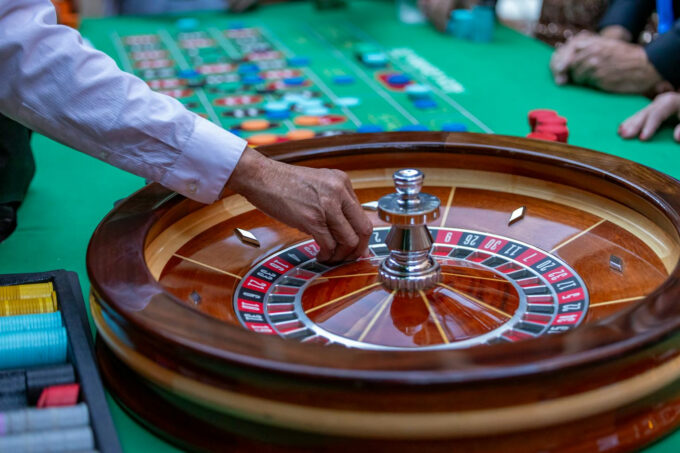
Source: theconversation.com
Before looking at strategies, it’s important to understand what you’re actually fighting against.
Roulette is built around a mathematical advantage for the casino called the house edge. In European roulette, the house edge is 2.7%, while American roulette increases it to 5.26% because of the extra double-zero pocket.
Expected value works the same way. Over thousands of spins, the average result trends toward that built-in disadvantage. A player may win during a single session, but over a very large sample size, the house edge remains.
A few key numbers are worth remembering:
- European roulette house edge: 2.7%
- American roulette house edge: 5.26%
- French roulette with La Partage: as low as 1.35% on even-money bets
- Triple-zero roulette has an even worse player expectation
Those differences may seem small, but they dramatically affect long-term results.
Choosing The Right Wheel Before Any Strategy
Many players spend hours studying betting systems while ignoring the single most important decision they can make.
Choosing a better wheel instantly improves your expected return. European roulette offers substantially better odds than American roulette because it contains only one zero. French roulette can be even more favorable when special rules such as La Partage or En Prison are available.
When evaluating different betting approaches, many players use a useful tool such as a roulette payout calculator to understand potential returns and compare bet types before risking real money. Seeing the numbers laid out clearly often reveals how different payout structures affect long-term expectations.
Important fact: changing from American roulette to European roulette improves your expected value immediately, while changing betting systems does not remove the house edge.
Flat Betting Remains The Most Sustainable Approach

Source: pokerstars.uk
Flat betting sounds boring compared to famous systems, yet many experienced players continue to use it.
The idea is simple. You wager the same amount every spin regardless of wins or losses. Instead of chasing losses or increasing exposure after bad runs, you maintain consistency.
Here’s why many long-session players prefer it:
- It protects the bankroll from sudden collapses.
- Losing streaks become easier to survive.
- Emotional decision-making is reduced.
- Session length generally increases.
Unlike progressive systems, flat betting accepts that variance is unavoidable. The goal is not to beat roulette mathematically. The goal is to manage money efficiently while enjoying longer playing sessions. This approach is frequently recommended because it limits the damage caused by inevitable losing streaks.
Popular Betting Systems And Their Real Limitations
Many roulette systems have survived for decades because they create the feeling of control.
Martingale is probably the most famous. After every loss, the player doubles the next wager. The theory is that one win recovers all previous losses. Unfortunately, reality is less forgiving. Table limits and finite bankrolls eventually create problems.
Other systems include:
| System | Core Idea | Risk Level |
| Martingale | Double after losses | Very High |
| Paroli | Double after wins | Moderate |
| D’Alembert | Increase gradually after losses | Moderate |
| Fibonacci | Follow Fibonacci sequence | Moderate to High |
None of these systems changes expected value because every spin remains independent. Previous outcomes do not influence future results.
That doesn’t mean systems are useless. They can provide structure and discipline. What they cannot provide is a mathematical advantage.
Bankroll Control Is The Real Long Term Strategy

Source: netnewsledger.com
The players who last longest often aren’t the ones using sophisticated betting systems. They’re the ones protecting their bankroll.
A practical approach is dividing your bankroll into units. For example, a $500 bankroll could be divided into 100 betting units of $5 each. That allows plenty of room to survive variance without making reckless decisions.
Many experienced players also establish:
- A session loss limit
- A session win target
- A maximum bet size
- A fixed session duration
These rules create boundaries before emotions enter the picture.
Did you know?
A player who risks 10% of their bankroll per spin can go broke surprisingly quickly during normal variance. Players risking 1% to 2% per spin generally maintain far greater longevity. This is one reason disciplined bankroll management often matters more than strategy selection.
Best Bet Types For Long Run Play
Not all roulette bets feel the same during extended sessions.
Single-number bets offer the biggest payouts at 35:1, but they also experience long losing streaks. Outside bets such as red/black, odd/even, and high/low win much more frequently, though the payouts are smaller.
For players focused on longevity, these options are often preferred:
- Red or black
- Odd or even
- High or low numbers
- Dozens
- Columns
The reason is simple. Higher hit frequency creates a smoother bankroll experience.
While all standard bets on a given wheel carry the same house edge, lower-volatility wagers often help players stay in action longer and avoid dramatic bankroll swings.
FAQ
Can dealer behavior or wheel patterns improve roulette results?
Many players look for patterns in dealer habits or wheel sections that seem to hit more often. In modern casinos, roulette wheels are regularly inspected and maintained to ensure fairness. Online roulette uses either certified random number generators or live dealers operating under strict oversight. While short-term patterns can appear, there is no reliable evidence that tracking wheel sections or dealer habits consistently produces a long-term advantage.
Is it better to play shorter or longer roulette sessions?
There is no mathematical advantage to either approach because each spin is independent. However, shorter sessions can help players stay disciplined and avoid emotional decisions after a series of wins or losses. Longer sessions increase exposure to the house edge simply because more wagers are placed over time. Many experienced players set a fixed session length before they begin and stick to it regardless of results.
Should roulette be treated as an investment or purely as entertainment?
Roulette is designed as a casino game, not an investment vehicle. Even the best bankroll management strategy cannot eliminate the built-in house edge. A practical mindset is to treat roulette as paid entertainment with the possibility of winning rather than as a method of generating consistent income. Players who approach the game with realistic expectations often enjoy it more and avoid the frustration that comes from chasing losses or unrealistic profit goals.
Final Thoughts
The best roulette strategy for long run play is surprisingly simple. Choose European or French roulette whenever possible, understand expected value, use disciplined bankroll management, and avoid believing that any betting system can eliminate the house edge.
Flat betting, sensible stake sizing, and realistic expectations may not sound exciting, but they consistently outperform reckless chasing strategies. Roulette remains a game of chance, yet informed decisions can make the experience far more enjoyable and financially sustainable over time.